Snake Bite 🔥🔥🔥
Epidemiology and Pathophysiology
- Snakebite is a neglected tropical disease with the highest burden existing in South Asia, South East Asia, and sub-Saharan Africa.
- In India, approximately
deaths are attributed to snake bites annually, with more than of these deaths occurring in children aged years. - The "Big Four" most important venomous snakes in India are the
| Common Name | Family | Primary Toxin / Syndrome | Key Clinical Manifestations |
|---|---|---|---|
Indian Cobra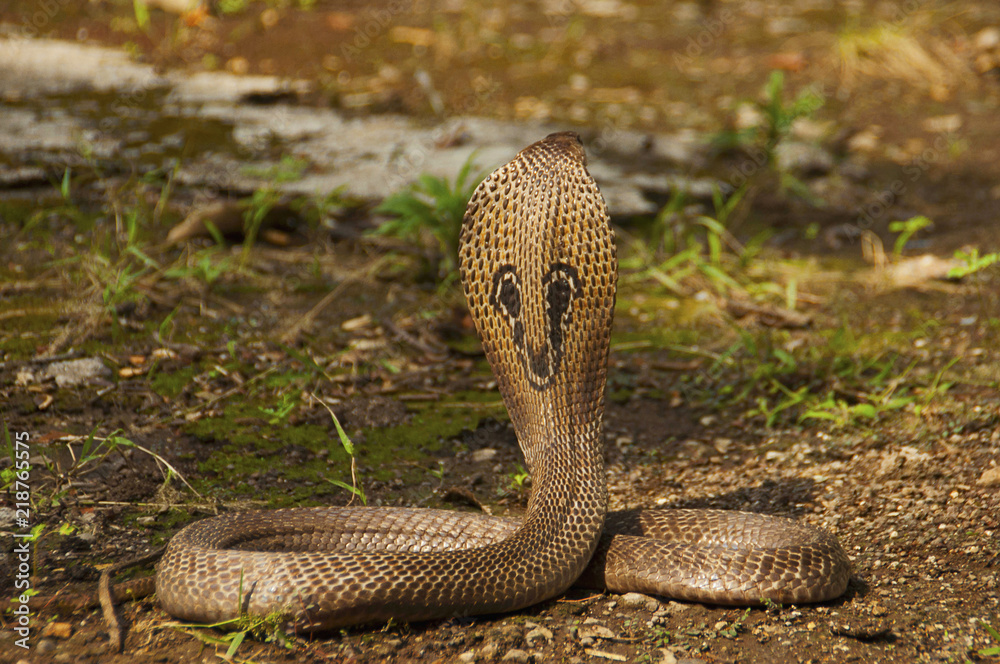 Naja naja |
Elapidae | Neurotoxic (Post-synaptic), Cardiotoxic, Cytotoxic | Rapid extension of local swelling, necrosis, blistering, and descending paralysis (ptosis, ophthalmoplegia, dysarthria, dysphagia, dyspnea). |
Indian Krait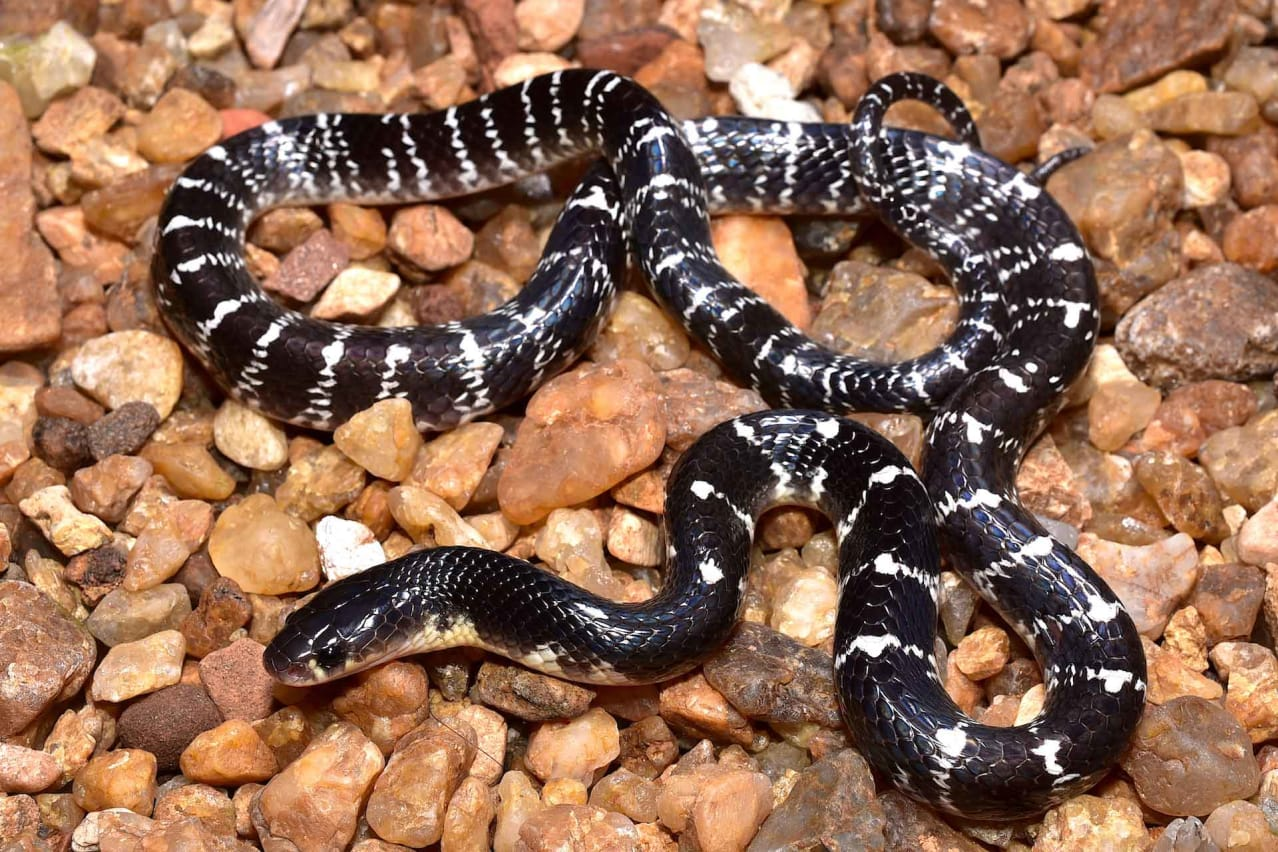 Bungarus caeruleus |
Elapidae | Neurotoxic (Pre-synaptic) | Occult bites with absent or minimal local signs, early morning severe epigastric/umbilical pain, and delayed onset of descending paralysis. |
Russell's Viper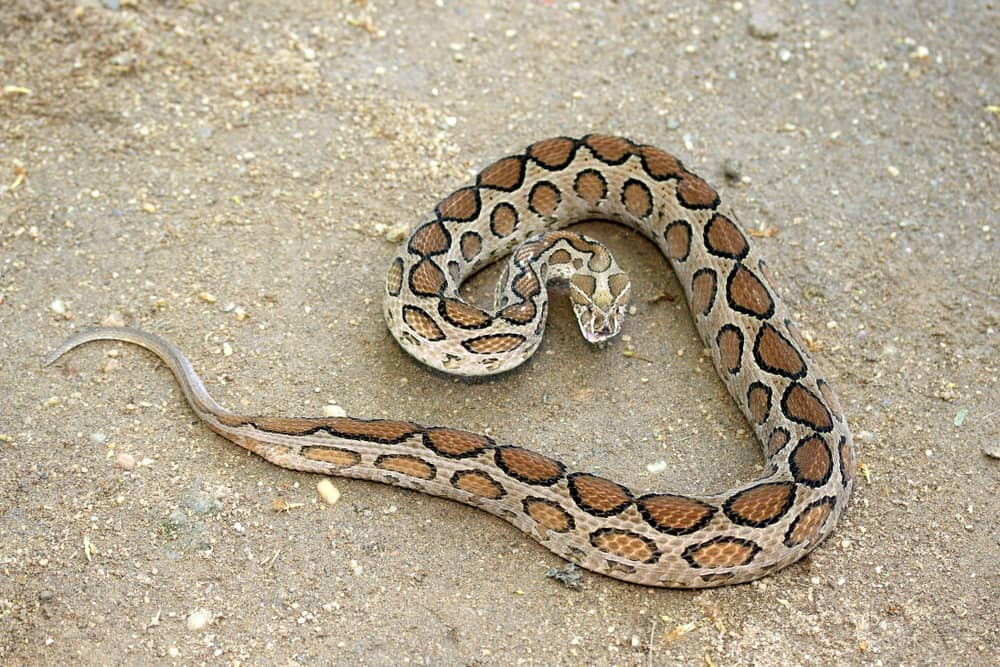 Daboia russelii |
Viperidae | Vasculotoxic, Hemotoxic, Nephrotoxic | Severe local pain and swelling, compartment syndrome, systemic bleeding, acute kidney injury, cerebral arterial thrombosis, and anterior pituitary infarction. |
Saw-Scaled Viper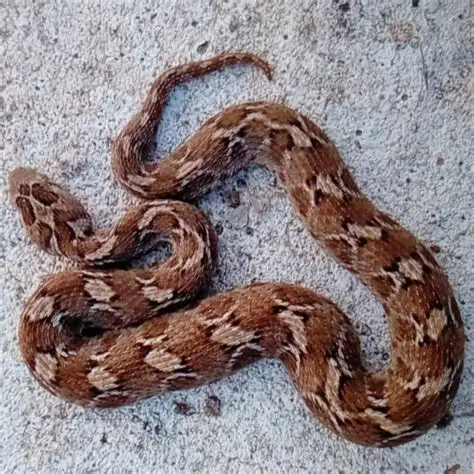 Echis carinatus |
Viperidae | Vasculotoxic, Hemotoxic, Nephrotoxic | Local swelling and blistering, consumptive coagulopathy, spontaneous systemic bleeding, and acute kidney injury. |
- Snake venom is a highly complex mixture containing more than
toxic and non-toxic proteins, peptides, carbohydrates, lipids, and amines. - The average dry weight of venom injected at a strike is approximately
mg in N. naja, mg in E. carinatus, and mg in D. russelii. - The exact same amount of venom affects children much more severely than adults because the total serum volume of distribution is significantly smaller in children.
Clinical Manifestations
- The diagnosis of snake envenomation is primarily clinical, based on a history of snake bite, presence of fang marks, local manifestations (pain and swelling), and systemic signs of neurotoxicity or bleeding.
- Specific systemic manifestations correlate strongly with the species of the offending snake.
- Clues suggesting severe envenomation include rapid early extension of local swelling, early tender enlargement of local lymph nodes, early systemic collapse (shock, severe headache, pathological drowsiness, early ptosis), early spontaneous bleeding, and the passage of dark brown or black urine.
| Systemic Toxicity | Characteristic Clinical Features | Commonly Implicated Snakes |
|---|---|---|
| Cardiovascular | Profound hypotension, bradycardia, severe arrhythmias, and pulmonary edema. | Cobra, Viper. |
| Hemotoxic | Prolonged bleeding from the bite site, spontaneous bleeding from gums, epistaxis, tears, intracranial bleeds, melena, hemoptysis, hematuria, and conjunctival/skin bleeds. Cerebral arterial thrombosis is specifically seen with Daboia russelii. | Viperine species (Russell's viper, saw-scaled viper). |
| Neurotoxic | Ptosis, external ophthalmoplegia, mydriasis, bulbar paralysis, respiratory paralysis, and eventually total flaccid paralysis. A characteristic "early morning syndrome" featuring acute oculobulbar palsy and a locked-in state is seen with krait bites. | Cobra, Krait. |
| Nephrotoxic | Lower back pain, frank hematuria, hemoglobinuria, myoglobinuria, oliguria, anuria, and uremia. | Viperidae, Sea snakes. |
| Endocrine | Acute pituitary or adrenal insufficiency resulting from hemorrhagic infarction of the anterior pituitary. | Russell's viper. |
Diagnostic and Laboratory Evaluation
- The
-minute Whole Blood Clotting Time ( -min WBCT) is the primary bedside diagnostic test used to confirm hemotoxic (Viperine) envenomation. - To perform the
-min WBCT: leave a few milliliters of venous blood undisturbed for exactly minutes in a clean, new, and dry test tube; then tip the tube. The absence of clotting confirms a hemotoxic bite. - While the
-min WBCT is useful, emergency treatment with snake antivenom (ASV) must be based on overall clinical assessment as the test takes time to perform. - Ancillary laboratory studies should include hemoglobin/hematocrit, platelet count, white blood cell count, peripheral blood film, muscle and liver enzymes, and electrolytes.
- Arterial blood gases should be performed if indicated, but arterial punctures are strictly contraindicated in patients with active bleeding or coagulopathy.
Emergency Management
Pre-Hospital and First Aid
- First aid measures must focus on immediate immobilization and rapid transport, completely avoiding harmful traditional practices.
- Walking for
minutes after a bite is a significant risk factor for severe systemic venom absorption; the patient must be carried or transported via vehicle/stretcher.
| First Aid Do's (R.I.G.H.T Mnemonic) | First Aid Don'ts |
|---|---|
| R: Reassure the patient (only |
Do NOT use traditional measures like local incisions, pricks, or "tattooing" at the bite site. |
| I: Immobilize as in a fractured limb; do not block blood supply. | Do NOT attempt to suck the venom out of the wound. |
| G.H: Get to Hospital immediately. | Do NOT use (black) snake stones, electric shocks, chemicals, herbs, or ice packs. |
| T: Tell the doctor of any systemic symptoms, such as ptosis. | Do NOT tie tight bands or tourniquets around the bitten limb. |
Initial Assessment and Supportive Care
- An ABCDE approach should be immediately utilized in all children presenting with a history of snake bite, assessing for airway patency, breathing patterns, and maintaining normovolemia.
- Pain is common with snake bites; analgesics and narcotics (if no respiratory or CNS depression is present) are indicated, while local anesthetics can also be used.
- Prophylactic antibiotics are not indicated in snake bites unless the bite site has been actively manipulated with unhygienic local practices.
- Steroids and antihistamines have no proven role in prophylaxis against ASV reactions and should only be used to treat acute reactions, or in cases of refractory shock with adrenal insufficiency (Russell's viper).
- Supportive interventions encompass mechanical ventilation, inotropes, dialysis, blood product administration, and surgical debridement of necrotic tissue as needed.
Snake Antivenom (ASV) Administration
Indications for Anti-Snake Venom (ASV)
- ASV is the only specific, life-saving treatment for snake envenomation.
- It is indicated in patients presenting with systemic symptoms (e.g., neuroparalytic or vasculotoxic signs) and/or extensive local involvement.
- Local involvement is considered "extensive" if severe swelling crosses a joint, involves more than half of the bitten limb within
of the bite (in the absence of a tourniquet), continues to swell after tourniquet removal, or is accompanied by tender, enlarged draining lymph nodes. - ASV is not indicated for purely localized swelling with or without bite marks; it should only be given if swelling is rapidly developing or accompanied by systemic signs.
ASV Preparation and Composition
- In India, polyvalent ASV is raised in horses and neutralizes the venom of the four most important venomous snakes: the Indian cobra (Naja naja), Indian krait (Bungarus caeruleus), Russell's viper (Daboia russelii), and saw-scaled viper (Echis carinatus).
- It is available in freeze-dried (lyophilized, heat-stable) or neat liquid (heat-labile, requires
cold chain) forms. - The dry powder form must be reconstituted by diluting it in
of distilled water or normal saline by swirling gently, not by vigorous shaking. - Reconstituted solutions that appear opaque to any extent must be discarded.
Dosage Guidelines
Initial Dose
- The initial dose of ASV is uniformly
across all age groups, including children and pregnant women, because snakes inject the same amount of venom regardless of the victim's size. - This calculation is based on the average venom injection of a Russell's viper (
to ); since each vial of polyvalent ASV neutralizes of viper venom, are empirically required.
Syndrome-Specific Dosing Regimens
| Envenomation Type | Initial Therapy | Maintenance / Repeat Dosing | Maximum Dose |
|---|---|---|---|
| Neurotoxic (Neuroparalytic) | If no improvement within |
||
| Vasculotoxic (Low-Dose Infusion) | |||
| Vasculotoxic (High-Dose Bolus) |
Special Considerations in Children
- While the absolute vial count remains identical to adults, the dilution fluid volume must be carefully adjusted to avoid fluid overload.
- Liquid or reconstituted ASV should be diluted in
of normal saline, but the running infusion volume should be restricted to in pediatric patients.
Administration Technique and Precautions
- Route: ASV must strictly be administered via the intravenous (IV) route due to poor bioavailability intramuscularly. It must never be injected locally at the bite site, as this increases intra-compartmental pressure and causes severe pain.
- Technique: It can be administered as an IV push at
or as an IV infusion diluted in isotonic fluid over .. Test Dose: Skin or conjunctival hypersensitivity testing is absolutely contraindicated as it does not reliably predict adverse reactions and wastes critical time. - Preparation: Epinephrine must be drawn up in a syringe and kept at the bedside prior to initiating the ASV infusion.
Management of ASV Reactions
- Adverse reactions to ASV include early anaphylactoid reactions (
minutes), pyrogenic reactions ( hours), and delayed serum sickness ( days). - At the earliest sign of an anaphylactoid or pyrogenic reaction, ASV administration must be temporarily suspended immediately.
- Intramuscular epinephrine (
mg/kg of solution) is the first-line and most effective treatment for early reactions. - Following epinephrine, intravenous chlorpheniramine maleate (
mg/kg) and intravenous hydrocortisone ( mg/kg) should be administered. - Once the patient is clinically stable and has recovered from the reaction, the ASV infusion should be cautiously restarted at a slower rate with continuous bedside monitoring.
Prognosis and Complications
- The overall mortality rate for severe snake envenomation ranges from
to . - In survivors, the primary cause of long-term permanent disability is severe local tissue necrosis, which frequently requires extensive surgical debridement, skin grafting, and occasionally amputation of deep tissues.
- Cerebral hypoxia from delayed resuscitation or stroke can result in permanent neurological deficits.
- Poor prognostic factors heavily associated with mortality or severe morbidity in children include young age, early vomiting, profound neurotoxicity, elevated serum creatinine, severe thrombocytopenia, evident ecchymosis at admission, lack of immobilization, and any delay in the administration of ASV.